
Cool White vs Warm White
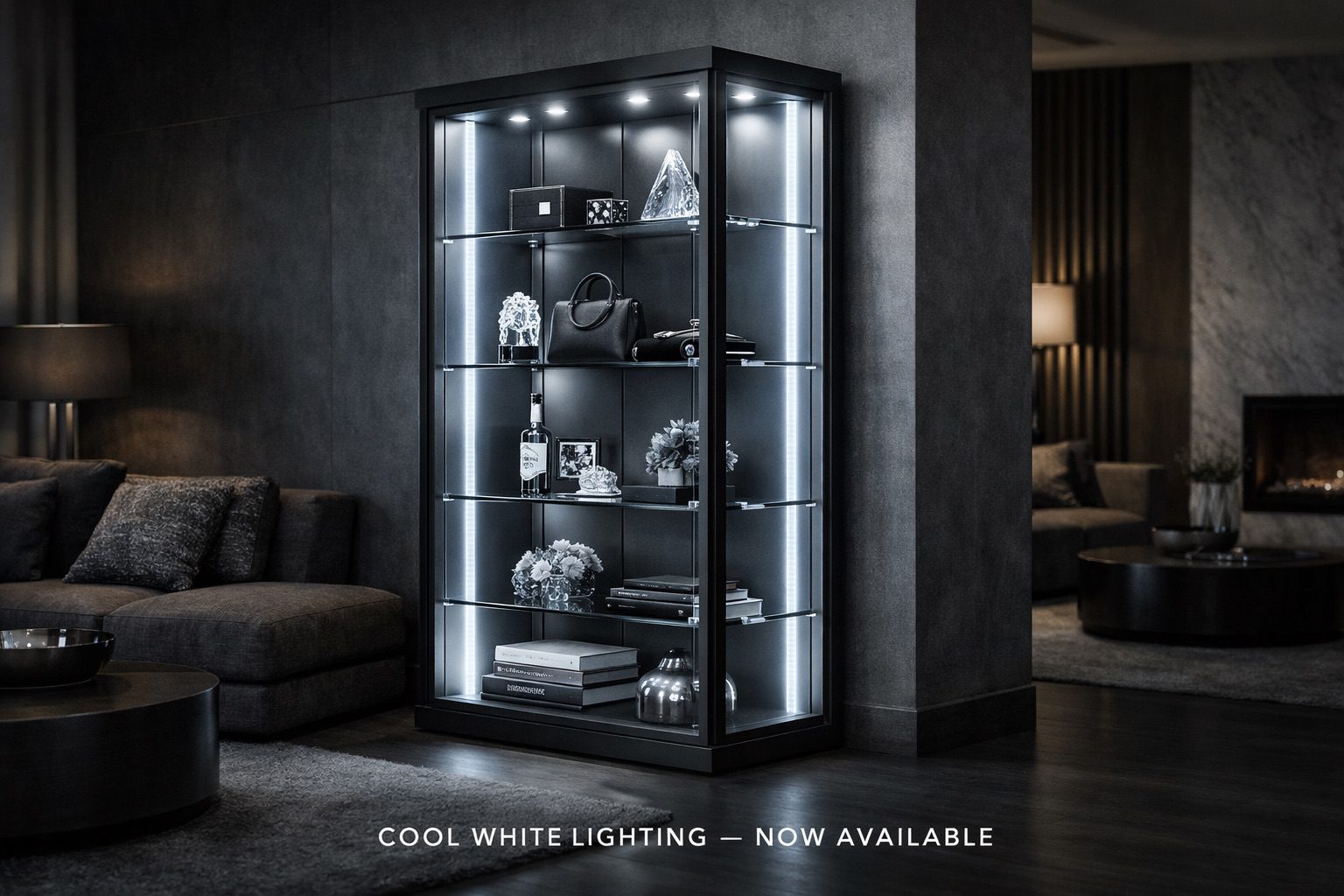
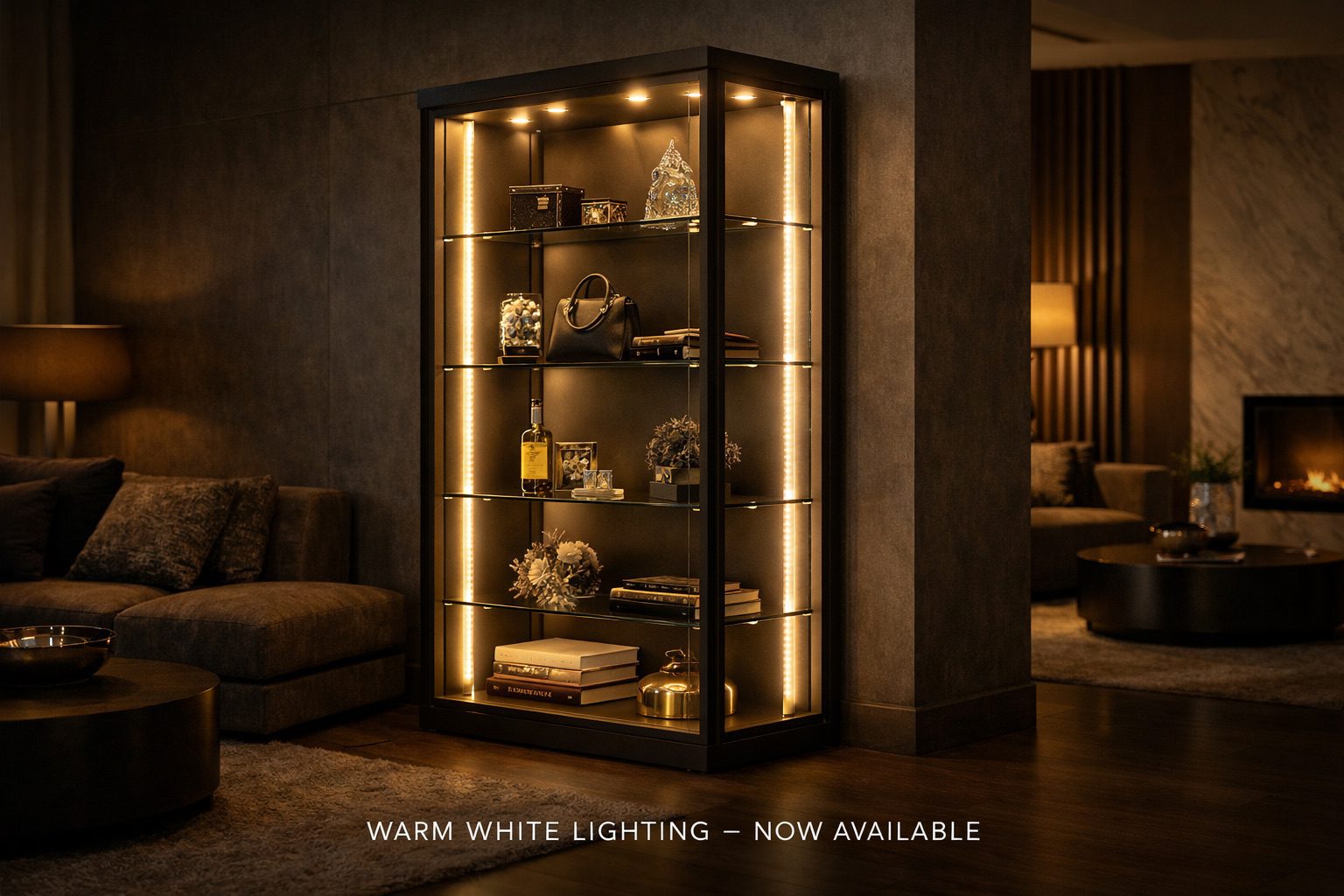
Every display cabinet buyer faces this choice — cool white or warm white LED? Most pick based on personal preference, then regret it when the lighting fights the product. Neither is "better" — they do different jobs. Choosing correctly comes down to one thing: what are you actually displaying?
What's the actual difference?
LED light colour is measured in Kelvin (K) — the higher the number, the cooler the light.
| Warm white | 2700K – 3500K — yellow-orange tones, similar to incandescent bulbs |
| Neutral white | 3500K – 4500K — balanced, daylight-like |
| Cool white | 5000K – 6500K — blue-white tones, similar to daylight |
Most display cabinets offer warm white (~3000K) or cool white (~6000K) as standard. Neutral is rarer in display lighting because it's less commercially distinctive.
When warm white wins
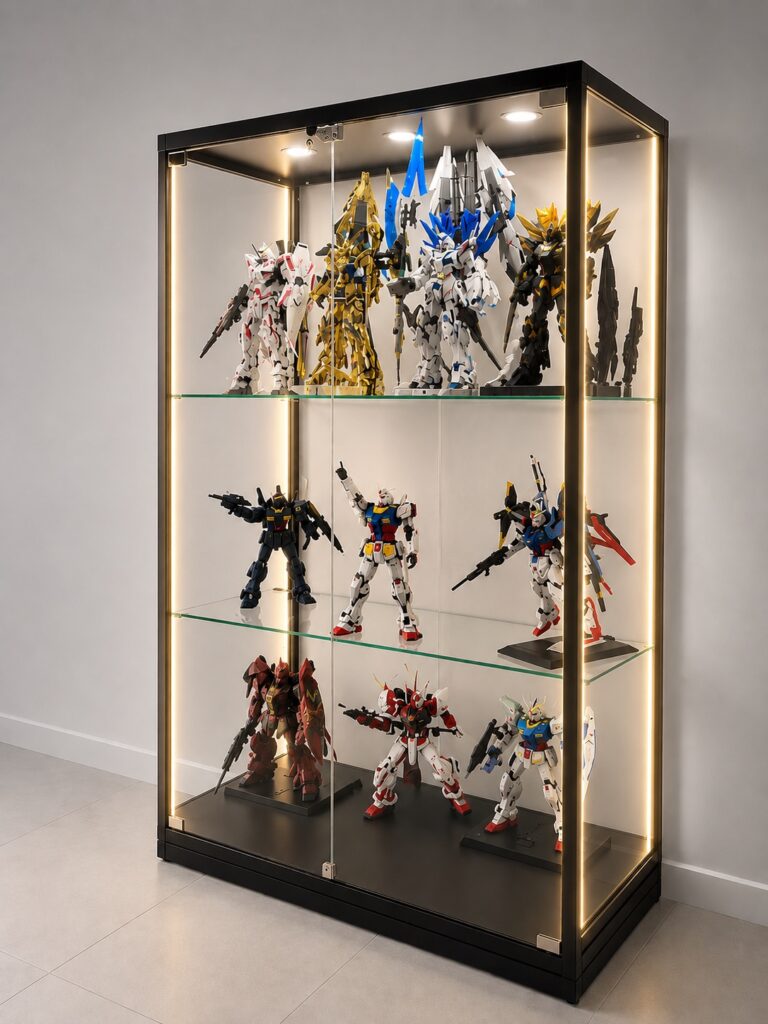
Warm white flatters certain materials and creates a specific emotional response. Best for: gold jewellery, leather goods, wood-grain products, wine/whisky/spirits, antique or vintage items, and boutique, hospitality or residential displays.
Why it works: warm light creates intimacy and luxury — it feels expensive and considered, and customers linger longer. Where it fails: anything where colour accuracy matters. Warm light makes whites look yellow and washes out cool-toned items.
When cool white wins
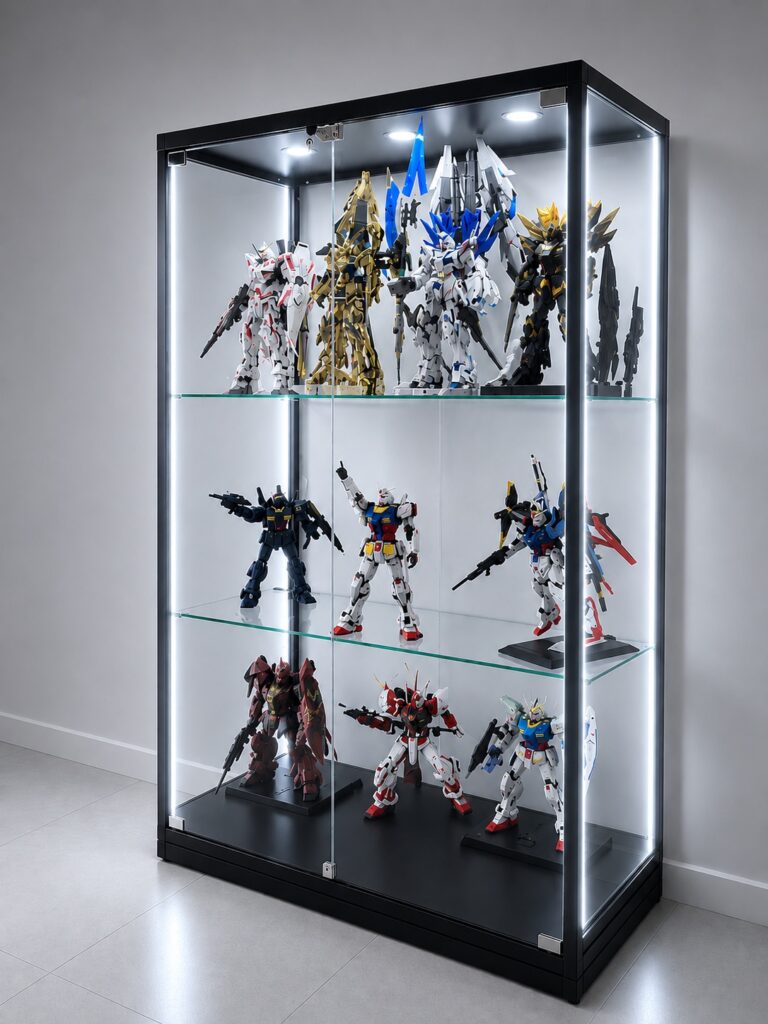
Cool white delivers clarity and precision, mimicking daylight — how most products were designed to be seen. Best for: silver, platinum and diamonds, watches, electronics, cosmetics, colour-accurate collectibles, modern retail and showrooms, and clinical displays.
Why it works: cool light is honest — what you see is what you get, and customers trust it. Where it fails: anywhere atmosphere matters more than precision, where it can feel sterile or clinical.
The common mistake
The biggest mistake buyers make is choosing lighting based on how they want the cabinet to feel rather than what the product needs. We've seen jewellers install warm white because "it looks luxurious" — then their diamond and silver displays look dull and yellowish. And homeowners install cool white in collector rooms because "it shows the colours properly" — then the whole room feels like a hospital waiting area. The product dictates the lighting, not the buyer's mood.
Side-by-side
| Factor | Warm white (~3000K) | Cool white (~6000K) |
|---|---|---|
| Visual feel | Intimate, luxurious, inviting | Clean, modern, precise |
| Best material | Gold, leather, wood, amber | Silver, platinum, diamond, white |
| Best products | Gold jewellery, boutique retail, hospitality | Watches, electronics, cosmetics, collectibles |
| Best environments | Residential, boutique, hospitality | Tech retail, showrooms, clinical |
| Colour accuracy | Lower (warmth distorts) | Higher (daylight-like) |
| Atmosphere | Cosy, premium | Clinical, contemporary |
What if you're not sure?
If your display contains a mix of products, or you're undecided, cool white is the safer commercial choice — it renders all colours more accurately and works in more environments. Warm white is specific: a deliberate choice for a specific aesthetic. If you want the best of both, RGB or ARGB lighting lets you switch temperature and tone on demand — though you'll pay more for the flexibility.
Our recommendation
For most retail and commercial cabinets, we recommend cool white as the default — neutral, professional, and effective across the widest range of products. For luxury retail, boutique tenancies, residential collector rooms, or jewellery with a gold/leather/wood focus, warm white is the better fit. When you order a Hobbs cabinet with lighting, we'll attach images showing both options before dispatch — so you decide on what your product actually looks like under each, not on guesswork.
- Warm white (~3000K): gold, leather, wood, amber — intimate and luxurious.
- Cool white (~6000K): silver, diamonds, watches, electronics — clean and accurate.
- Mixed stock or unsure? Cool white is the safer default.
- Want to switch on demand? Consider RGB or ARGB.
Browse the range or talk to us — we'll show you both temperatures before dispatch.