
Hobbs Displays · Buying & Choosing
Glass Thickness Explained: 4mm, 6mm, 8mm and What It Means
Guide #37 · Glass Display Cabinets
Two cabinets can look identical in a photo and behave completely differently in your store — and glass thickness is one of the biggest reasons why. It decides how much a shelf holds, how solid a door feels, and how well the whole cabinet survives years of daily use. Here's what 4mm, 6mm and 8mm actually mean once the stock goes in.
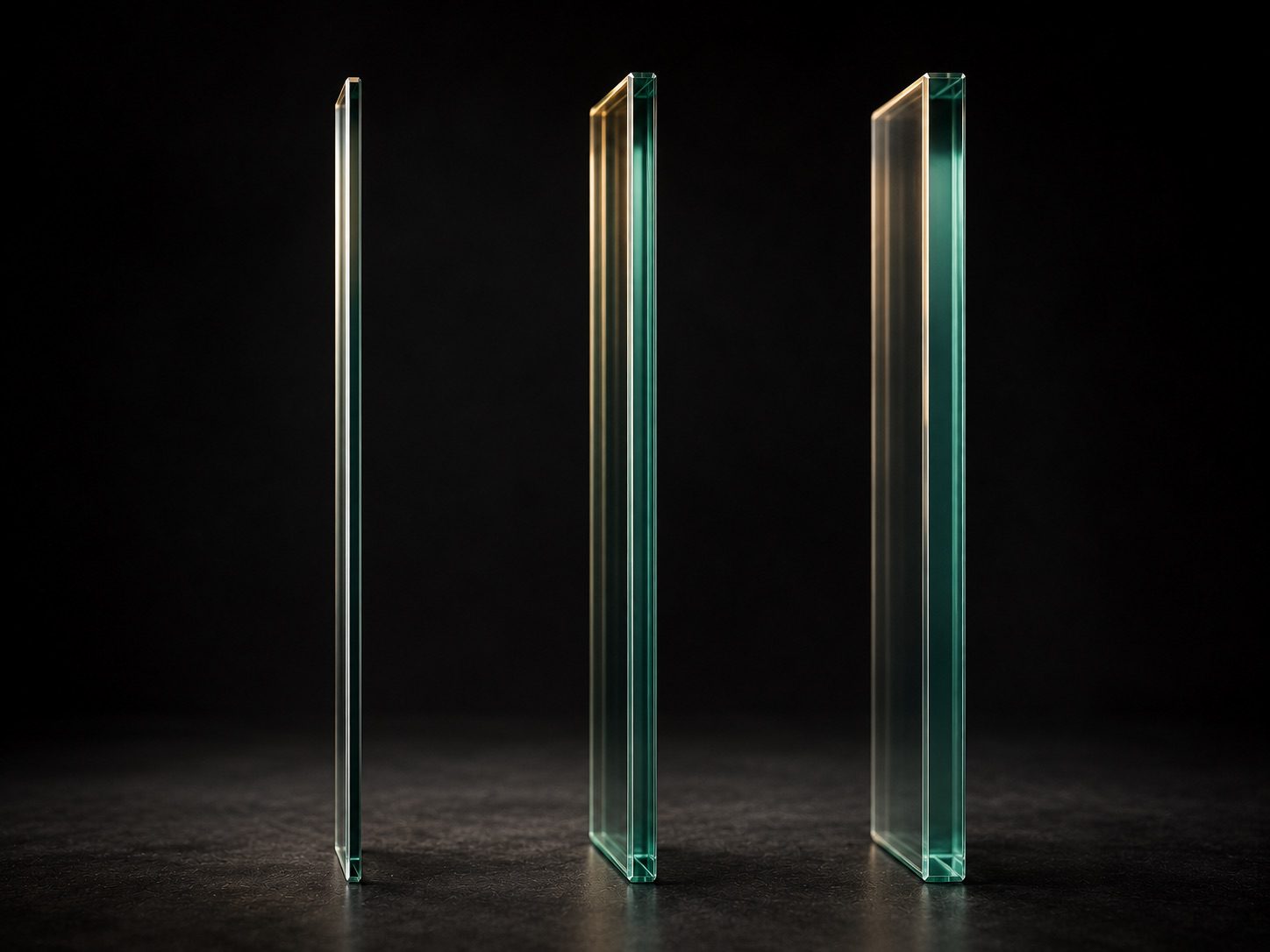
The short version
Thicker glass is stronger, steadier and quieter, but heavier and dearer. 4mm suits light doors and small panels, 6mm is a solid all-rounder, and 8mm is what you want for shelves that carry real weight. Every Hobbs cabinet uses 8mm tempered shelves as standard.
Why thickness is the number that matters
Glass thickness is measured in millimetres, and small differences make a big difference in practice. Stiffness doesn't rise evenly with thickness — it climbs sharply. Step a shelf up from 4mm to 8mm and you don't double its resistance to bending, you increase it many times over. That's why a thin shelf sags under a load a thick one shrugs off, and why thickness is the first spec worth checking.
4mm, 6mm and 8mm — what each is actually for
| Thickness | Feel & strength | Best used for |
|---|---|---|
| 4mm | Light and thin. Fine for small spans, but flexes and rings if pushed. | Small door panels, back panels, light-duty compartments and compact cabinets. |
| 6mm | A noticeable step up — steadier doors, far less flex, a more solid feel. | Doors, sides and mid-size shelves in general retail and home display. |
| 8mm | Heavy, rigid and quiet. Minimal deflection even fully loaded for years. | Load-bearing shelves and wide spans — the Hobbs shelf standard. |
These are the everyday thicknesses in display cabinets. Thicker again (10mm and up) exists for special cases like frameless structural glass, but for shelves and doors this is the range that matters.
Thickness never works alone
A thickness figure on its own doesn't tell you how strong a shelf is. Three other things decide the outcome alongside it:
- Span — the wider the unsupported gap, the more any shelf flexes. A short 6mm shelf can outperform a very wide 8mm one.
- Support — glass held along its full edge in a frame carries far more than glass clamped only at the corners.
- Glass type — tempered safety glass is several times stronger than standard glass at the same thickness, and fails safely if it ever breaks.
We cover the load side of this in detail in How Much Weight Can a Glass Shelf Really Hold? — thickness is chapter one of that story.
The Hobbs standard
Every Hobbs Displays cabinet uses 8mm tempered safety glass shelves as standard — not as a paid upgrade. That choice gives you:
- High load confidence right across the shelf, not just at the supports
- Minimal sag even when fully stocked and left loaded for years
- Safe failure behaviour, because the shelf glass is tempered
- A solid, quiet feel with none of the ring or flex of thin glass
Doors and panels are specified to suit their size and job, so the whole cabinet feels of a piece — no thin, rattly weak points hiding behind a good-looking front.

How to pick the right thickness
- Heavy or valuable stock? Insist on 8mm tempered shelves — don't compromise here.
- Wide shelves? The wider the span, the more thickness (or a mid support) matters.
- Light items on short shelves? 6mm is often plenty and keeps weight down.
- Buying online? If a listing won't state shelf thickness and glass type, treat that as your answer.
Bottom line
4mm, 6mm and 8mm aren't just numbers on a spec sheet — they're the difference between a shelf that stays dead straight for a decade and one that bows within a season. Match the thickness to the load and the span, insist on tempered glass where weight goes, and the cabinet stays sharp for years. Skip the question, and the glass will answer it for you later.
Next steps